Forth Valley Veterinary Clinic Blog
Our top tips and useful information regarding pet and animal health…

Dosing Compilance
Dosing Compliance? What does this mean for you and your pet? How important is it? What even is dosing compliance?

Pancreatitis
Pancreatitis is inflammation of the pancreas and it can be an acute or chronic condition and have a varying range of clinical signs. The cause of pancreatitis in dogs and cats is usually unknown but some risk factors associated with pancreatitis have been identified and will be discussed later.

Kidney Disease
Your cat’s kidneys play a vital role in maintaining her health. They help control her blood pressure, regulate the bloodstream, produce important hormones, enzymes, and red blood cells, as well as remove metabolic waste from the blood. If her kidneys aren’t able to do their job properly, this can lead to significant & life-threatening problems, such as kidney failure in your cat.

Guinea Pig
The guinea pig – Cavia porcellus, commonly referred to, as ‘cavy’ is a member of the rodent family and generally has a life span of four to eight years. They make lovely family pets and children absolutely adore them. Relatively easy to care for, they don’t take up a lot of space, small eaters, friendly and inquisitive little creatures with unique personalities and create strong bonds with their owners.

Skin Allergies
Skin problems in dogs are sometimes the result of environmental allergens. Dog skin allergies tend to show up in very specific areas of your dog including: face, ears, paws, base of the tail, under elbows and in the groin area. Allergies typically appear between ages of 3 months and 6 years. Be sure to ask your veterinarian if an allergy test is right for your dog.

Digestive Disorders
A digestive disorder is any condition that prevents proper digestion or alters the rate at which foods pass through your dog’s digestive tract. Dog digestive issues are one of the most common reasons for consulting a veterinary practice.

Diarrhoea
Diarrhoea is defined as a change in the consistency, frequency and/or volume of faeces and is the primary sign of an intestinal problem. Healthy dogs should be examined if they have had 3 to 4 days of stool the consistency of soft-serve ice cream or looser (you will never eat ice cream again now!). Cats are adapted for dry conditions and tend to conserve water, leading to very firm faeces. Any loose faeces in cats are abnormal and diagnostics should be performed if stools are loose.

Commonly Ingested Toxins
Previously we touched on foods that commonly cause toxicosis in dogs and cats. However, our pets can also ingest poisons and toxins that may not be food or food related products. Here is a list of the most common toxins ingested by pets:
Arthritis and Joint Disease Management - Dietary and Food
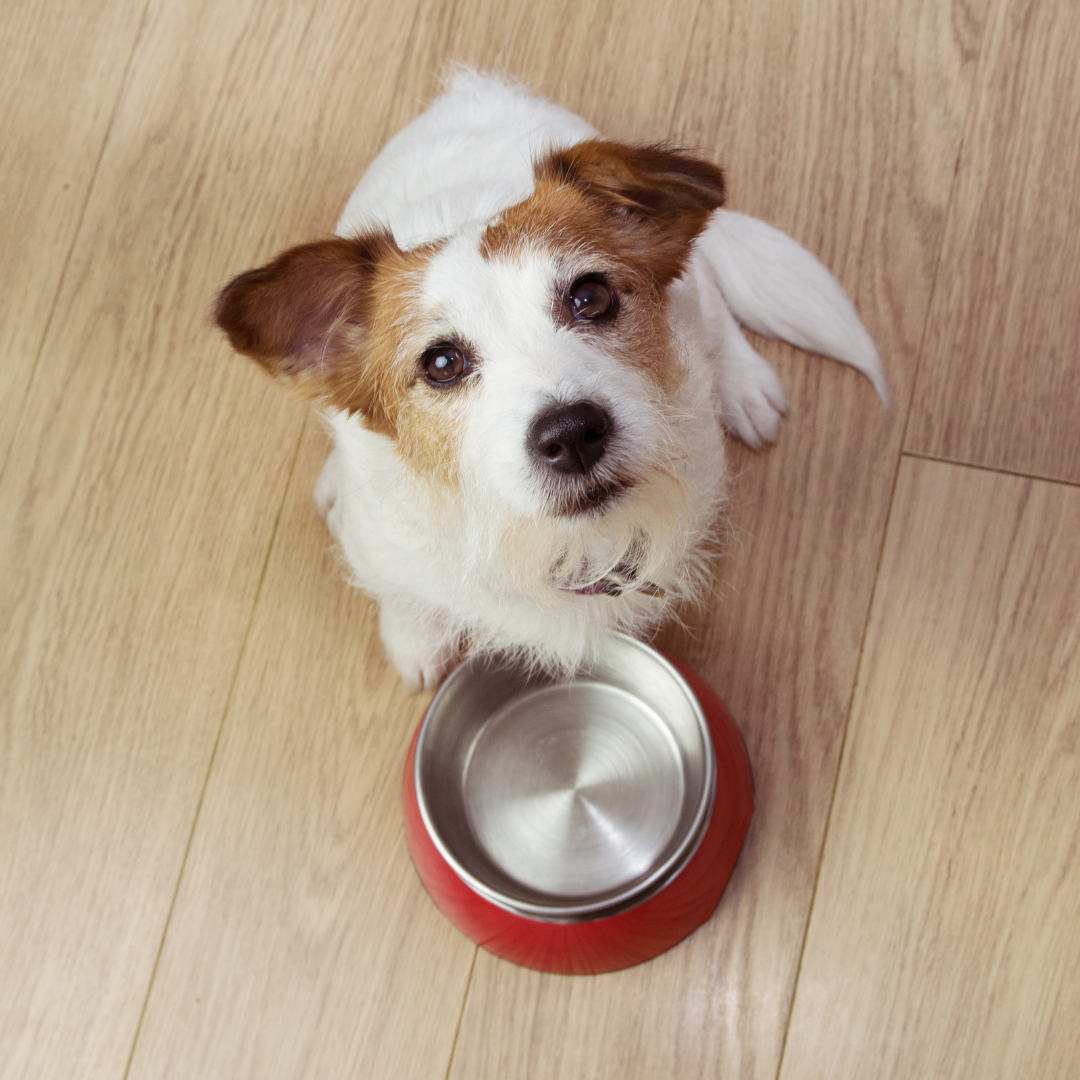
If required, a gradual weight loss program would be a good idea, where overweight levels are identified. An excellent brand of food for joint disease is Hills j/d. This is a prescription food made by Hills for pets with joint disease. An alternative can be Hills Metabolic + Mobility – focussing on joint health as well as weight loss. This is a dry pelleted food.

Arthritis and Joint Disease Management - Weight and Exercise Control
Animals require regular exercise to keep their joints moving (this is important for joint health) and to help weight control – however take care to prevent excessive exercise, as too much will have a negative effect and could increase pain. Ideal levels of exercise may be as short 10-15 minutes, but can be up to 25 mins, of controlled exercise 2-3x per day (slow and steady leash walks, no stairs/steps). This is the ideal level to aim for but don’t worry if in reality it means it’s not possible.

Dogs and Dairy
Easter... my favourite holiday. They only time you can eat chocolate for breakfast without the guilt.
Unfortunately the same isn’t for our fur babies. During the month of April we will be doing mini blog posts on dangerous foods for your pets!

Toxic Foods
Sometimes it’s hard to keep track of what your pet can eat. Some foods are great for your pet, but some can leave them feeling sick or worse (cause severe and fatal conditions). Below we have made a list of the potentially dangerous foods for your pet.

Vomiting
Vomit! Usually an event that will gross most of us out. It comes in a variety of forms, from mild to severe, once off to continuous, foamy, mucousy, you name it! Vomit can come in any form and at any time, but what does it mean?
Vomiting is the primary clinical sign associated with gastric dysfunction; it can be associated with the stomach, small intestine and colon. However, vomiting can also be a sign of disease in other abdominal organs, the central nervous system and can be a sign of poisoning or toxin ingestion.
Megaoesophagus
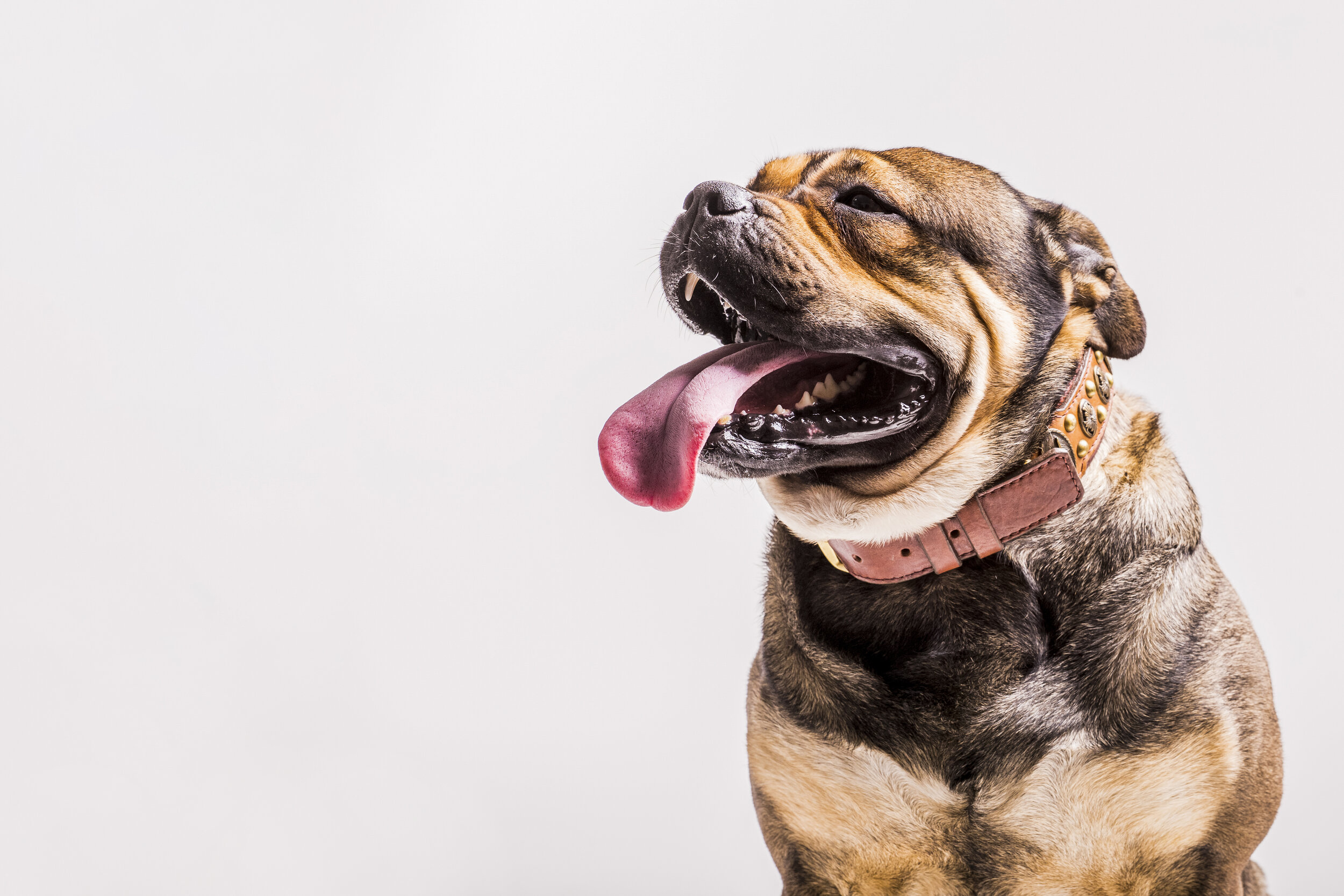
The Oesophagus is the gateway to your gastrointestinal tract and is often not talked about. The oesophagus can have numerous diseases and ailments that can affect it, from obstruction to inflammation, neoplasia and strictures. Today we are going to touch on a rare but interesting disease called megaoesophagus.

Chocolate Toxicity
As Easter fast approaches, we are here to remind you that chocolate is not a treat for your pets! Just you
Chocolate can be toxic if enough is ingested in a short period. The toxin in chocolate is rapidly absorbed through the gastrointestinal tract. The effects of chocolate may include central nervous system stimulation and enhanced force and rate of myocardial contraction. In general terms this would present as restlessness, hyperexcitability, agitation and tremors. As the toxicosis progresses the heart rate will increase and heart arrythmias, high blood pressure, rapid breathing and seizures may present themselves in any order. Extremely high doses will cause low blood pressure, low heart rate and possible coma.

Poisoning
ecently we have seen a few rat bait poisonings. A combination of the cooler weather and also some intentional baiting has led to a spike in cases. Unfortunately, rat baits are in general very palatable for dogs and they cause an obstruction to the clotting cascade within the body, which results in a bleeding problem. The symptoms of rat baits all pertain to internal bleeding.
Hydatid and Tasmania
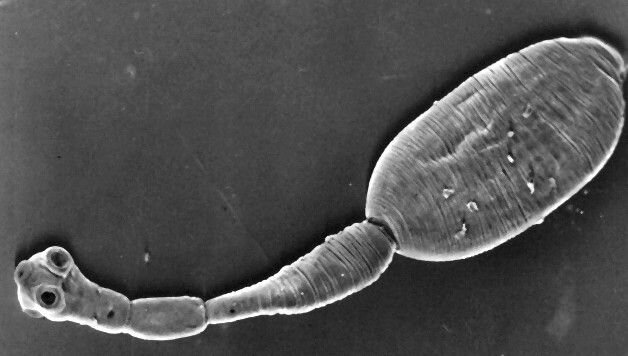
n the 1960’s there was a disturbingly large number of cases of people with hydatid cysts caused by the hydatid tapeworm of dogs. These cysts, contracted by ingesting the eggs of tapeworm found in the gut of dogs, would develop in the internal organs of people, growing quite large and needing surgical removal. Sometimes they even lead to death.

Obesity
More than on third Australian dogs are obese. Vets are often having the ‘fat talk’ with many owners to try and combat this common issue which can lead to a range of problems including osteoarthritis, cruciate ligament rupture, type 2 diabetes, high blood pressure, heart, respiratory and kidney disease, cancer and ultimately poor quality of life and reduced life expectancy.

Pets Promote Good Community Health (Duh!)
veryday at the clinic we have the pleasure of witnessing the strength of the human-animal bond playing a crucial and positive role in the health and wellbeing of our community. There is no denying that the positive effects that pets have on people has been well researched.

The Value of a Veterinarian
Many of you that follow us understand the goal of a veterinary clinic is to provide a service to better the health of your beloved companion. This is achieved daily though a variety of services and protocols that have been put in place to enable the best triage and care we can provide. Services from consults, to prescriptions and medications to many diagnostic tests and even in more advanced cases hospitalisation and surgery.
Our staff are wildly passionate about animals and making sure your pet is living its healthiest and happiest life
Back that passion with expert qualifications and a love of learning, and it’s safe to say your fur family is in very safe hands.